|
Has
"Ski My Best" been of use? Help keep it going:

| |
Did you come here from a link on another website? See page bottom for latest version of this page.
This site is not associated with any ski area. Use of any page means you accept the SkiMyBest
Site Use Agreement or
EXIT NOW.
 SYNOPSIS OF SKI MY BEST WEBSITE SYNOPSIS OF SKI MY BEST WEBSITE
Skiing is not a matter of life and death. It's more important than that.
by Bill Jones,
Ski Instructor
Certified Professional Ski Instructor (Registration
#110478), Level III
Reading all the information in this SkiMyBest website would
give you the most complete understanding of the ski sport that is available from
this site, but is not expected.
You may use contents pages and links to drill into areas of greater
immediate interest to you, personalizing the site. This synopsis gives a quick
site overview.
Skis are slippery things. To manage them, that is, to "Learn to Ski/Ski Better/Ski
My Best" we must learn
to reposition the skis so they point various ways and tilt different amounts
while developing pressure at different parts of them so they interact with the snow
and take us where we want and at the speed (or lack thereof) we want. To accomplish
this, we move our
bodies' muscles and joints while we are in motion. In a way, skiing is
communicating with our skis using body language. Our movements, however, differ from the
ways we learned to move as toddlers and have been perfecting ever since, for
from our walking start we have been working off a stationary platform--the floor or the
ground--and it has usually not been slippery. Before skiing or skiing well, how
often have we
-
tipped our legs and even our entire bodies to the side,
balancing the other way with our shoulders--in response to turning forces?
-
rotated our thigh bones inside our hip sockets while not
moving our pelvis? Or rotated a foot arond the ankle joint and \the two bones in the lower leg--withouit moving the knee?
Moved our foot up and down sidewasy and fore and aft while also holding it firmly in position?
-
bent and straightened our ankles to move our torsos up and down and back and forth?
And how often have we done all these things at the same time in varying degrees
while sliding down a slippery slope with our ankle joints locked to side flexing
and with two long boards attached to our feet, all while staying in balance? So why bother
to ski? To answer this it is best to ask another
question: Why do millions of people bother?
There are lots of ways to ski. You can even learn some of
the ways more or less on your own. But this site promotes and teaches a
way that is versatile and efficient--handles the most conditions of snow
and terrain while utilizing our anatomy and equipment so we can ski longer: more
hours in a day, more days in a week, more weeks in a season, and more seasons in
a lifetime. A goal of most skiers is to minimize risk while
maximizing fun. This website promotes a method of skiing that is within a risk
level consistent with that of the Professional Ski Instructors of America
association, and in a way that gives enough fun to answer the question just
asked, "Why do millions of people bother to ski?"
Skiing is not rocket science. It is merely a matter of managing
our speed while controlling our direction (same as in a car, on a bicycle, on skates,
or etc.) There are only two ways to slow down on skis (besides falling or running
into someone or something): 1) skid the skis more or less to create more or less
friction which will speed us or slow us depending on the slope steepness and
slipperiness of the snow at the time, and 2) turn the skis so
they and we are going less
steeply downhill. To slow the first way, by skidding the skis, we turn them with
our feet out of our line of descent and
tilt them onto their uphill sides, but not too much or they will carve along
their side edges and not skid. To slow the second way, by turning the skis and
us, we either turn the skis with our feet or tilt them so much they won't skid
but carve to turn themselves. The trick is blending these maneuvers while
providing the right amount of pressure at the right places on the skis. Luckily
it's fun learning how much blending.
Skiers will hear myriad amounts of advice and opinion from other
skiers and even non-skiers. Some of this input will be solidly founded. A lot
will be downright wrong. Much may not apply to an individual because of body
factors or personal goals. And so it is up to the individual skier to sort out
what works and to apply it, often by trying out suggestions to see how they
"fit". This website attempts to give insights that will help in this process of
growing in your personal skiing.
In the United States, major ski areas are in the Lake Tahoe area
of California, near Salt Lake City in Utah, and in the Colorado Rocky Mountains.
There are many other regions, too: New England, the Midwest, Southwest,
Northwest, and even the Southeast. Snow patterns vary each winter at resorts in
these regions, so it cannot be said which of the regions will usually be the
best. Watch the conditions or try them all!
Ski schools exist to help people "Learn to Ski/Ski Better/Ski
My Best" and
most support a standardized way of teaching developed by the Professional Ski
Instructors of America (PSIA). In this system ability levels start at level 1
for persons who have never skied and range upward to level 9 for experts. See
Skier Skill Levels 1-9.
Skill
level 6 is the level at which most of most ski mountains can be negotiated; it
denotes parallel skiing with in itial capability in easier powder and bumps.
Level 6 is a goal attainable by most persons. Tips are given on how to get the
most from ski lessons to attain your goals in
Why Take a Ski Lesson from a Professional. itial capability in easier powder and bumps.
Level 6 is a goal attainable by most persons. Tips are given on how to get the
most from ski lessons to attain your goals in
Why Take a Ski Lesson from a Professional.
Likewise ski instructors are ranked by the PSIA. Ski instructors
who have attained certification range upward from bronze (1) to silver (2) to
gold (3, or full). Because appropriate skiing movements are basically
non-intuitive, ski lessons are the only way for most to learn the most effective
and efficient technique--and therefore have the most fun. Links to instructor
sites are given in How to Pick a
Ski Instructor.
Ski slopes are ranked, too, with the easiest denoted green/circle, more
difficult denoted blue/square, most difficult denoted black (diamond, and there are double
and even triple blacks and exclamation points!) in Ski
Slope Ratings.
For insights on equipment, slope etiquette, gender factors, ski
technique, managing snow conditions and
more, see the ski web manual on this site, "Skiing is a
Sliding Sport".
Good luck, and have fun!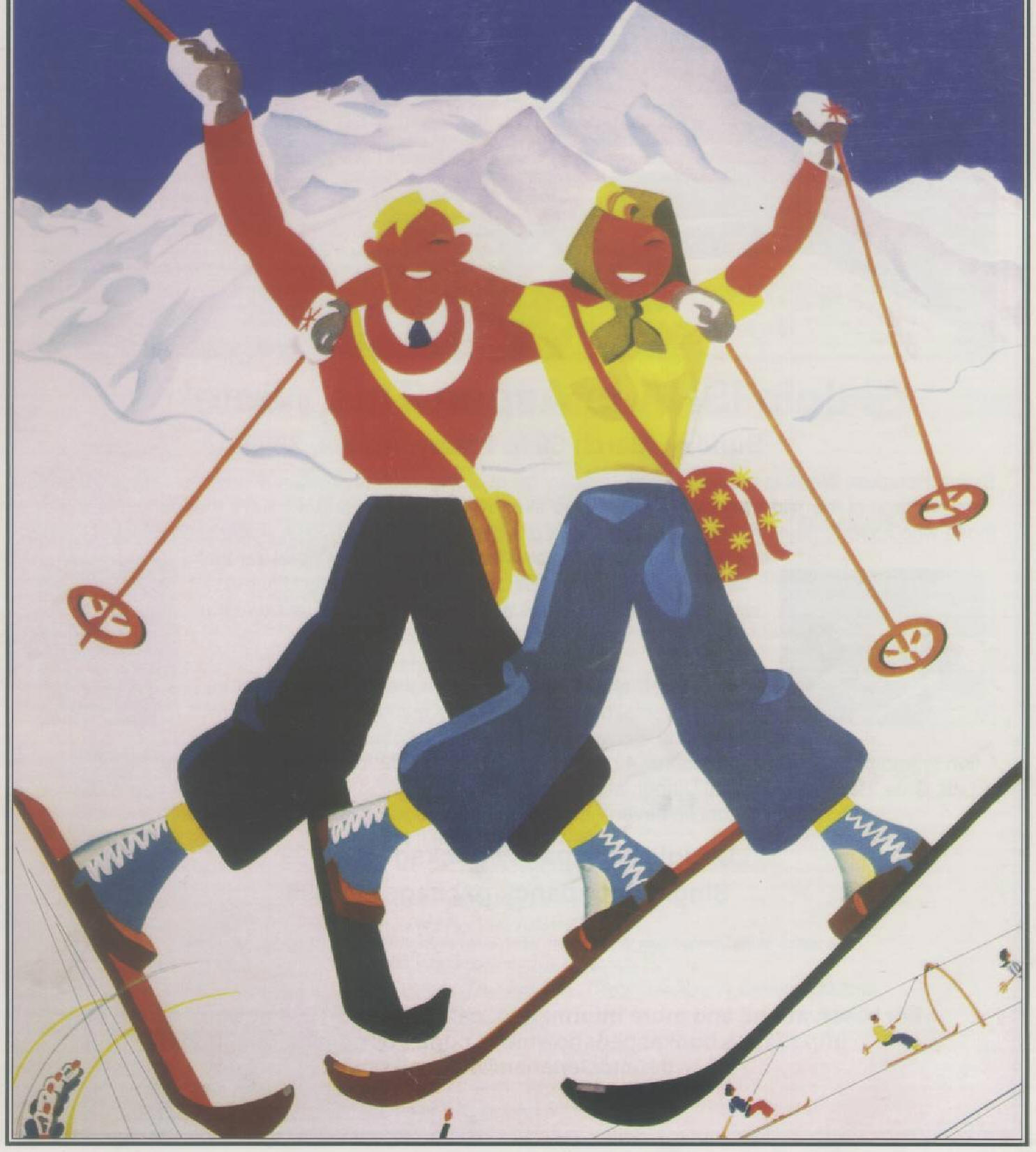
What I really
feel is that, if on a pair of skis...I forget everything except the joy of
living...Well, why in God's name not stay on skis?
--Viscount Anthony Knebworth in a letter to his father, the Earl of Lytton,
January 20, 1924.
Back to contents.
This "Synopsis of SkiMyBest website" page last modified
September 10, 2026. Did you come here from a link on another website?
For latest version of this page, copy to your browser:
http://www.SkiMyBest.com/skisynop.htm. Copyright © 2013, 2014, 2015, 2016, 2017, 2018, 2019, 2020, 2021, 2022, 2023, 2024. William R Jones.
| |
|
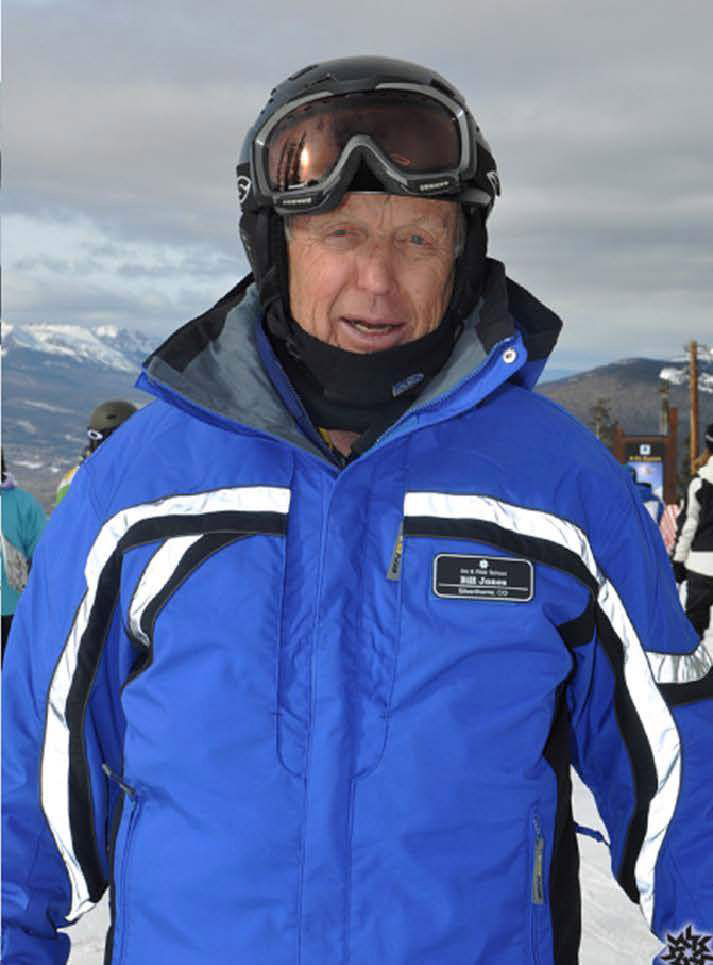 Bill Jones/Ski Instructor Contact Bill Jones How To Reserve Private Ski Lessons with Bill Jones